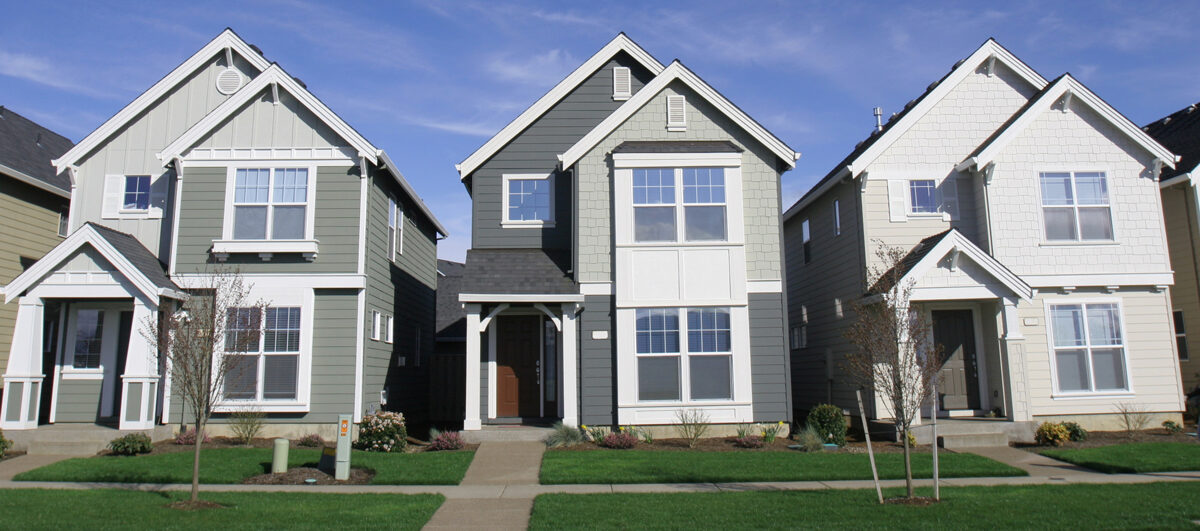
In June, we reached out to hundreds of residents across Utah, asking their opinions about the housing market. We asked renters what they were looking for if they wanted to buy, and asked owners what kind of new housing they’d accept in their neighborhoods. The results were surprising, and validate with your own voices what we’ve believed from the start: Utah needs more housing, and there’s an emerging consensus that small-lot, single-family homes hit the sweet spot between political viability and lowering the cost of home ownership. Check out this summary of our findings (click here or on the image
One of the primary ways you can help protect the health and safety of residents is to ensure your city or county does not prevent residents from earning a living for themselves and, therefore, feeding, clothing, and paying for the housing and healthcare of their families. One way you can do this is to allow for residents to operate businesses from their home—and to consider whether or not the current city or county ordinance related to home-based businesses is outdated or too restrictive. Instead of making a list of every conceivable home-based business and considering whether or not it should
To download, access this model ordinance via Google Docs. Are you a local elected official and interested in chatting with us more about this model ordinance? Please reach out to us at localgovt@libertas.org—we’d love to chat!
As cities and counties grow, taxpayers have to pay costs related to new or upgraded infrastructure—roads, storm drains, water and sewer lines, and so forth. Depending on how your city or county chooses to operate, it’s possible to place the burden of the growth too heavily on existing taxpayers. One option to balance the burden is through the use of impact fees. Impact fees are one-time charges imposed by a local government on new development projects to help fund the cost of providing infrastructure to that new development. In Utah, their use is common and the fees range anywhere from
To download, access this model ordinance via Google Docs. Are you a local elected official and interested in chatting with us more about this model ordinance? Please reach out to us at localgovt@libertas.org—we’d love to chat!
An “Accessory Dwelling Unit” (ADU) is the technical term used in state and local codes to describe what is commonly called a mother-in-law apartment, basement apartment, accessory apartment, backyard cottage, etc. They are increasingly popular and can benefit your community in the following ways: In addition to these, and other, benefits, we advocate approaching ADU regulation with the following principles in mind: Personal Freedom: Residents should have the freedom to peacefully use their own property how they choose. Impact: Concerns about parking overflowing across the neighborhood, noise, and other potential nuisances should not be the basis for rejecting ADUs. Valid